
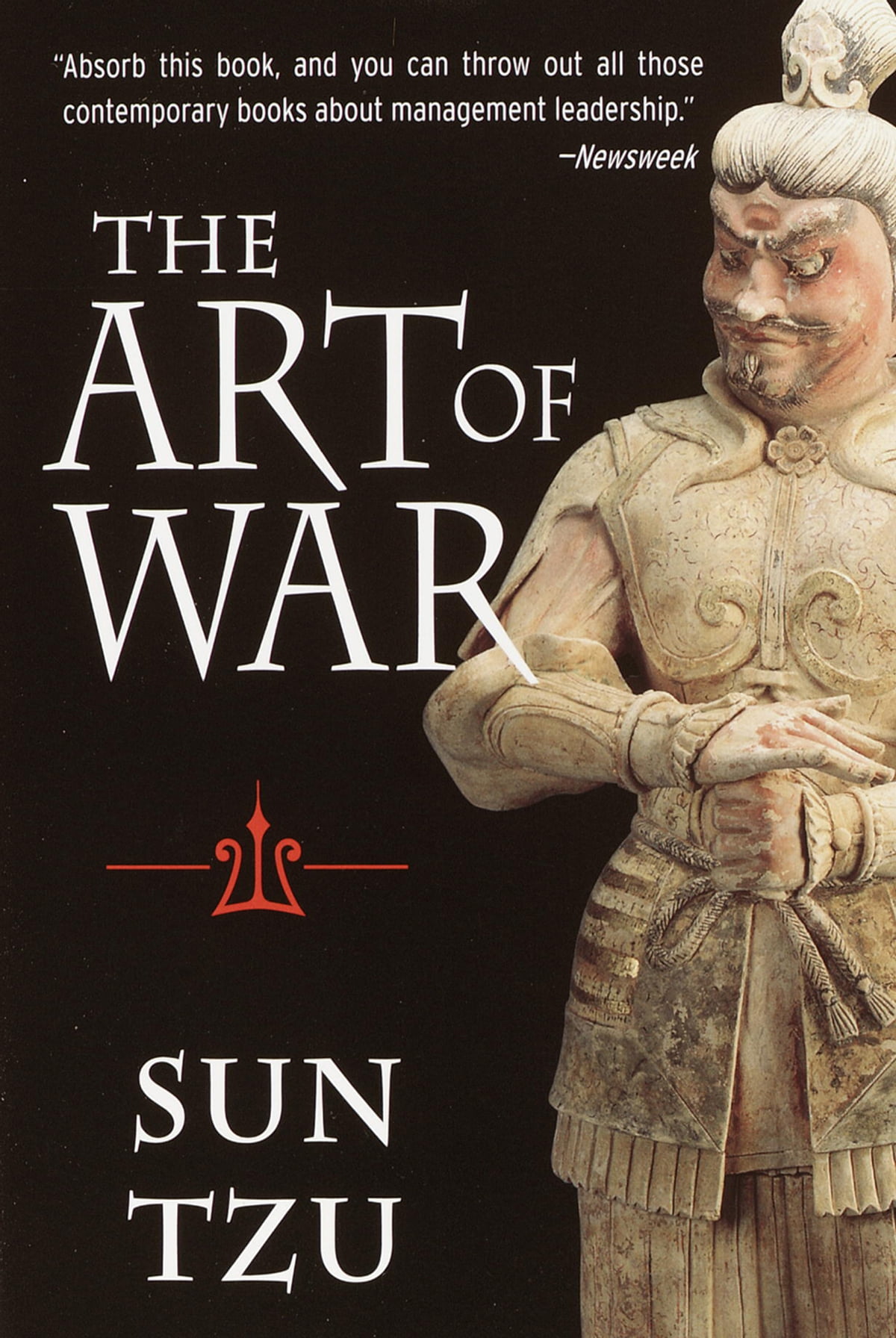
The Art of War is an ancient Chinese military treatise attributed to Sun Tzu, a strategist and
philosopher.
Comprising 13 chapters, each dedicated to a different aspect of warfare, this text is not just a manual
for military strategy
but also a guide for decision-making in various competitive scenarios.
Sun Tzu emphasizes the importance of flexibility, preparation, and the strategic use of deception. He
provides insights into
assessing the enemy, terrain, and circumstances to achieve victory with minimal conflict. The principles
outlined in this
work have been applied not only in military contexts but also in business, sports, and personal
development.
Key insights from the book:
- The significance of understanding oneself and one's opponent.
- The value of adaptability and responding to changing situations.
- Strategies for effective leadership and team coordination.
- The art of deception and how it can lead to successful outcomes.
The Art of War transcends time and culture, offering wisdom applicable in various fields beyond warfare.
It serves as a
reminder that preparation, awareness, and strategic thinking are vital for achieving success in any
endeavor.
Whether you are seeking to enhance your leadership skills, improve your competitive strategies, or gain
insights into human
behavior, The Art of War provides timeless lessons that remain relevant in today's world.
Genres:
Philosophy, Strategy,
Non-Fiction, Military
*The Art of War* is an ancient Chinese military treatise attributed to Sun Tzu, a strategist and
philosopher.
Comprising 13 chapters, each dedicated to a different aspect of warfare, this text is not just a manual for
military strategy
but also a guide for decision-making in various competitive scenarios.
Sun Tzu emphasizes the importance of flexibility, preparation, and the strategic use of deception. He
provides insights into
assessing the enemy, terrain, and circumstances to achieve victory with minimal conflict. The principles
outlined in this
work have been applied not only in military contexts but also in business, sports, and personal development.
Key insights from the book:
- The significance of understanding oneself and one's opponent.
- The value of adaptability and responding to changing situations.
- Strategies for effective leadership and team coordination.
- The art of deception and how it can lead to successful outcomes.
*The Art of War* transcends time and culture, offering wisdom applicable in various fields beyond warfare.
It serves as a
reminder that preparation, awareness, and strategic thinking are vital for achieving success in any
endeavor.
Whether you are seeking to enhance your leadership skills, improve your competitive strategies, or gain
insights into human
behavior, *The Art of War* provides timeless lessons that remain relevant in today's world.


