
"Julius Caesar" is a gripping tragedy that explores the themes of power, loyalty, and betrayal. Set in
ancient Rome, the play follows the political machinations surrounding the assassination of the titular
character, Julius Caesar, a leader whose growing power incites fear among his peers.
The narrative centers on the conspirators, particularly Brutus and Cassius, who believe that killing
Caesar is necessary to preserve the Republic from tyranny. However, their actions lead to devastating
consequences, as the struggle for power results in chaos and civil war.
Shakespeare masterfully weaves together historical events with deep philosophical questions about
ambition, morality, and the nature of leadership. The iconic speeches, including Caesar's "Et tu,
Brute?" and Marc Antony's stirring eulogy, highlight the power of rhetoric and its impact on public
perception.
Themes of fate versus free will, the fickleness of public opinion, and the complexity of human motives
are intricately explored, making "Julius Caesar" a timeless examination of the political landscape and
the human condition.
Key insights from the play:
- The delicate balance between power and morality in leadership.
- The consequences of betrayal and the cost of ambition.
- The influence of public opinion on political events.
- The tragic outcomes of idealism in the face of realpolitik.
"Julius Caesar" remains a powerful reflection on the nature of power and its effects on both individuals
and society, resonating with audiences across centuries and cultures.
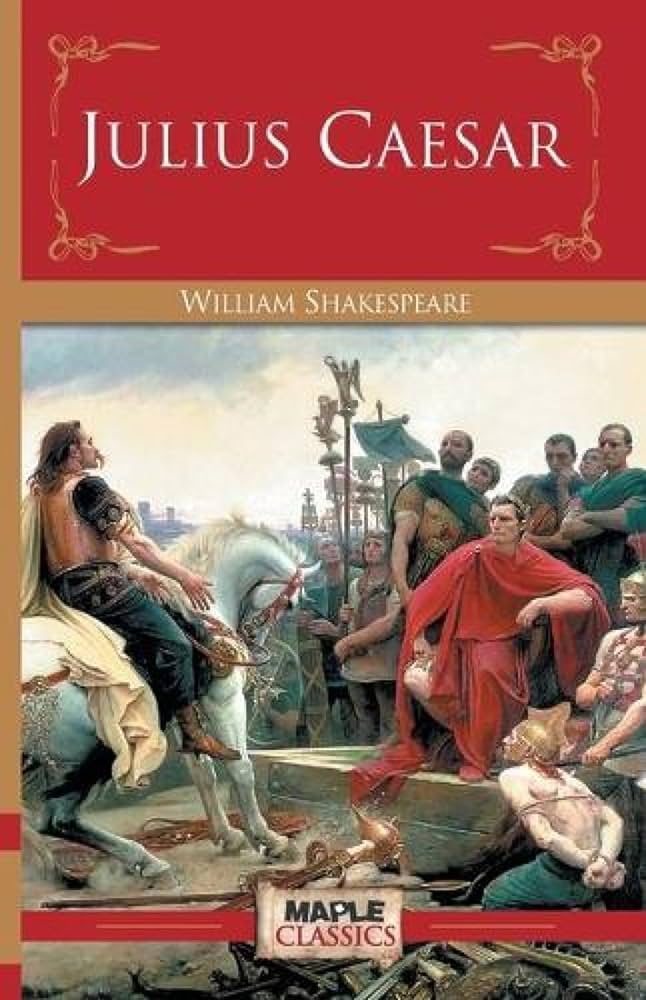
Genres:
Tragedy, Historical Drama,
Political Fiction
*Julius Caesar* is a gripping tragedy that explores the themes of power, loyalty, and betrayal. Set in
ancient Rome, the play follows the political machinations surrounding the assassination of the titular
character, Julius Caesar, a leader whose growing power incites fear among his peers.
The narrative centers on the conspirators, particularly Brutus and Cassius, who believe that killing Caesar
is necessary to preserve the Republic from tyranny. However, their actions lead to devastating consequences,
as the struggle for power results in chaos and civil war.
Shakespeare masterfully weaves together historical events with deep philosophical questions about ambition,
morality, and the nature of leadership. The iconic speeches, including Caesar's "Et tu, Brute?" and Marc
Antony's stirring eulogy, highlight the power of rhetoric and its impact on public perception.
Themes of fate versus free will, the fickleness of public opinion, and the complexity of human motives are
intricately explored, making *Julius Caesar* a timeless examination of the political landscape and the human
condition.
Key insights from the play:
- The delicate balance between power and morality in leadership.
- The consequences of betrayal and the cost of ambition.
- The influence of public opinion on political events.
- The tragic outcomes of idealism in the face of realpolitik.
*Julius Caesar* remains a powerful reflection on the nature of power and its effects on both individuals and
society, resonating with audiences across centuries and cultures.


